Climate Change Threatens Farming Communities in Eastern Province
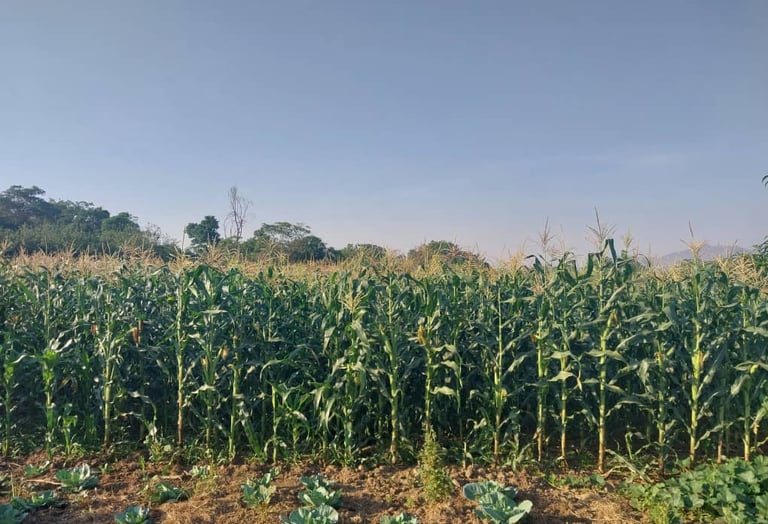
Climate change continues to affect agriculture-based communities across Zambia, and Eastern Province—where CommunityAid Zambia (CAZ) works—is among the hardest hit. With most households relying on rain-fed farming, unpredictable weather patterns, droughts, and floods have severely disrupted crop production, food and nutrition security, and access to clean water and sanitation.
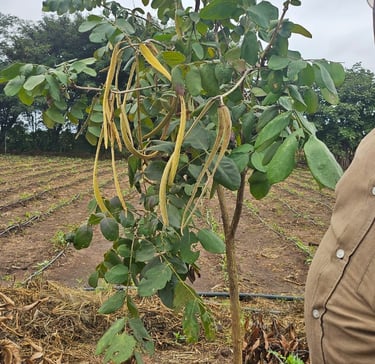
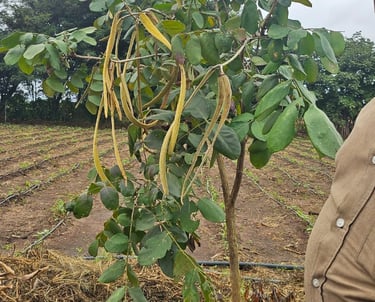
To help communities adapt, CAZ has rolled out trainings in Climate Smart Agriculture (CSA). This approach provides practical, sustainable methods that directly address the climate challenges faced by smallholder farmers. Techniques such as conservation farming, soil moisture management, improved seed varieties, and agroforestry are helping farmers maintain production despite erratic rainfall.
A smallholder farmer in Eastern Province recently demonstrated the successful use of CSA practices, showing how resilience can be built even under changing climatic conditions. Through such interventions, CAZ continues to support rural families in strengthening their livelihoods and securing a more climate-resilient future.
CAZ Strengthens Goat Production Through the Community Animal Veterinary Entrepreneurs (CAVE) Model
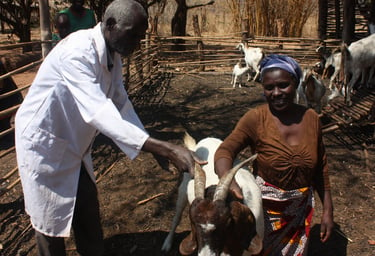
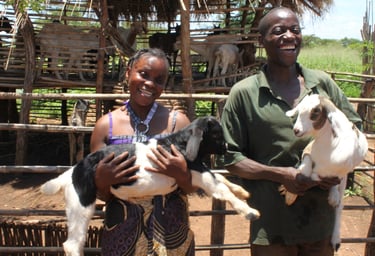
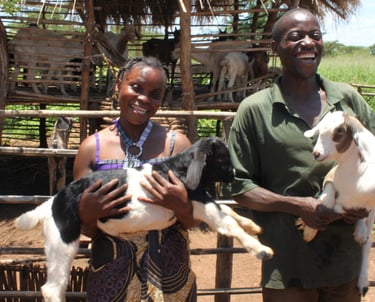
CommunityAid Zambia (CAZ) continues to enhance livestock productivity in rural communities through its innovative Community Animal Veterinary Entrepreneurs (CAVE) model. Since 2021, CAZ has reached more than 2,340 goat smallholder farmers across Eastern Province with trainings, extension support, and access to essential livestock drugs. The CAVE model trains and deploys local community-based animal health service providers who offer affordable, accessible, and timely veterinary support to farmers. On average, each CAVE attends to 15–20 goat farmers daily, ensuring that communities receive consistent guidance on disease prevention, nutrition, breeding, and general animal management.
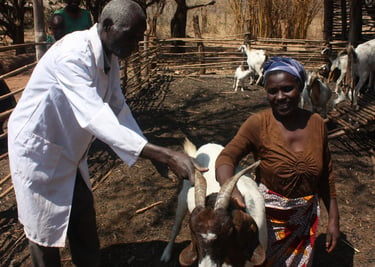
This approach has significantly improved goat health, reduced mortality rates, and increased productivity among smallholder farmers. In one example, T. Mtonga, a trained CAVE, is seen supporting a local farmer—demonstrating how community-based veterinary entrepreneurship is strengthening rural livelihoods.
Through the CAVE model, CAZ is helping farmers build resilient livestock systems and enhance income opportunities for households that depend on goat production.
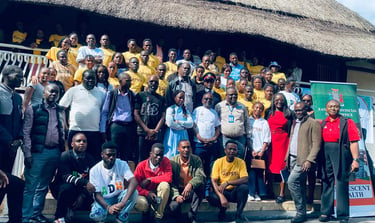
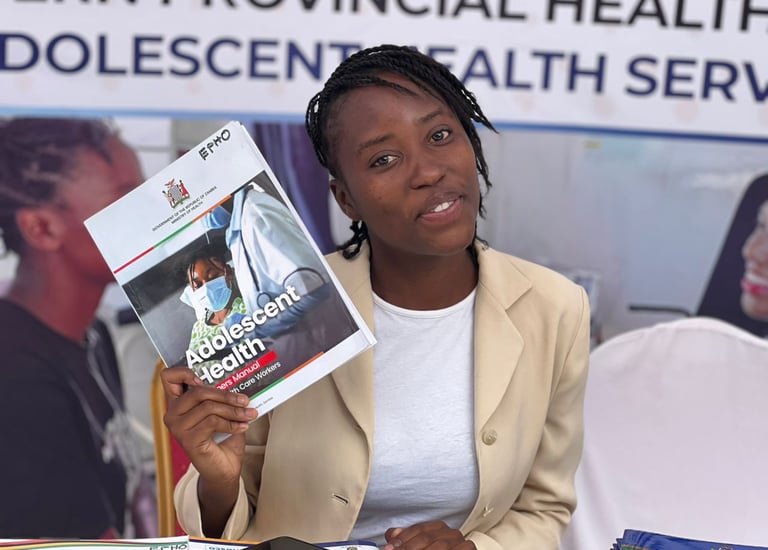
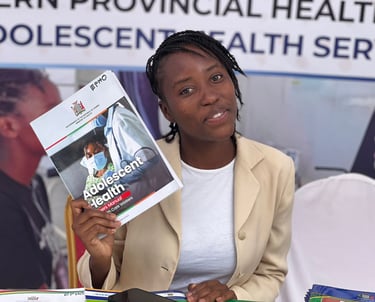
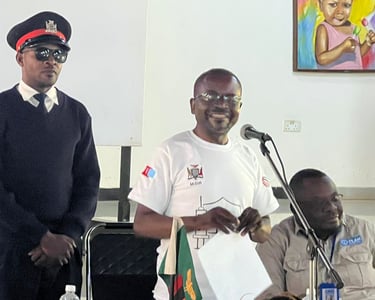
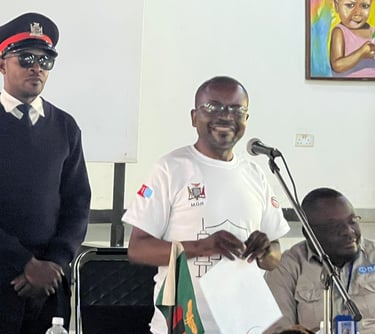
CommunityAid Zambia: Provincial Adolescent Health Indaba.
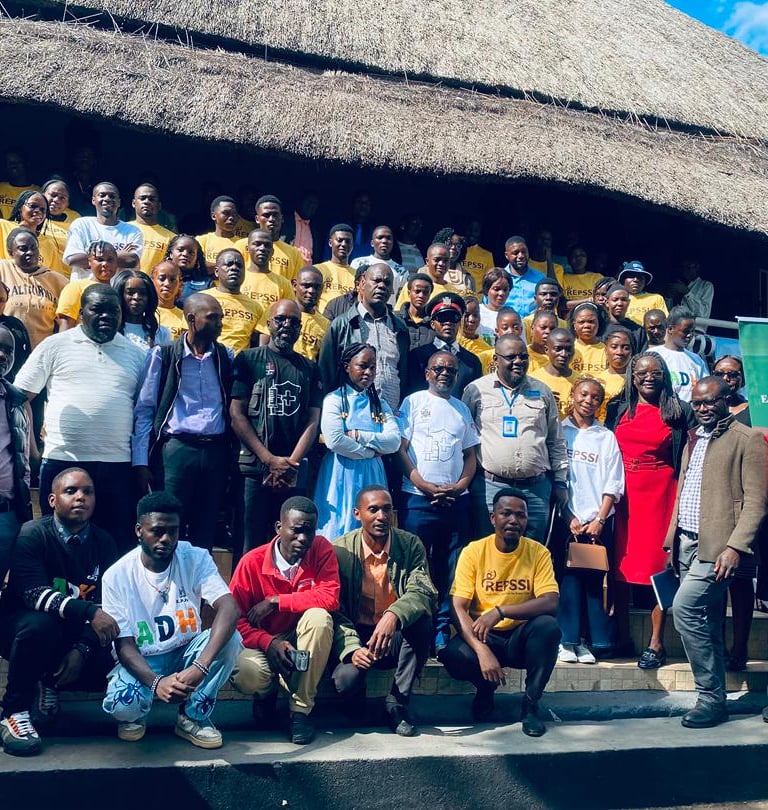
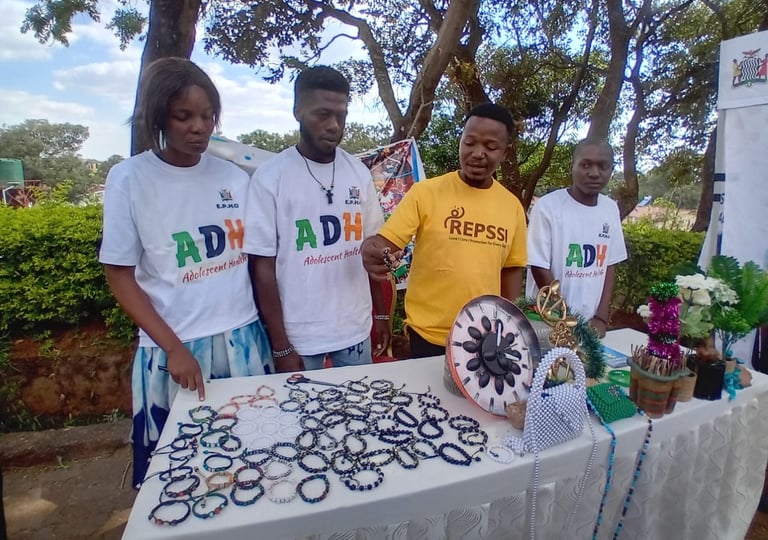
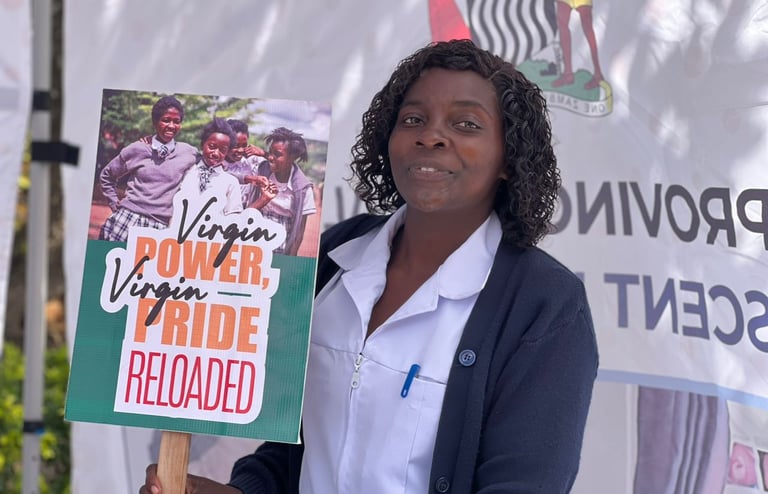
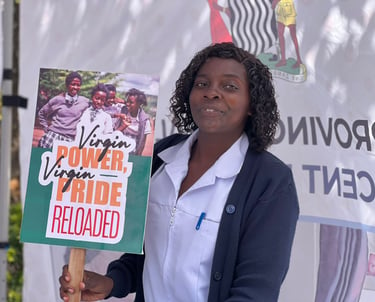
CAZ attended a two day "Provincial Adolescent Health Indaba-PHAI" hosted by the Ministry of Health- Eastern Provincial Health Office from 28th to 29th May, 2026. The theme was: "Ascertaining the Role of Young People in Enhancing Prevention, Ending Epidemics, and advancing Equitable Health Systems for All."
The PHAI was graced by the Government Permanent Secretary who was the Guest of Honor and was represented by the Deputy Permanent Secretary of Eastern Province. The Indaba accorded an opportunity for the invited delegates to interface & interact with Health Technical Partners, Traditional Rulers, Policy Makers & Implemeters and Service Providers in discussions about SRHR, HIV/STIS, alcohol and substance abuse and GBV among others. However, Adolescents & Youths had a privilege to propose appropriate recommendations on how young people can be engaged in innovation and leadership as regards to most pressing Health matters.
This was an empirical engagement- Indaba with so much to learn and to put across to Duty- Bearers: Deputy Permanent, Provincial Health Director and Ministry of health Technical Experts among others. Adolescents & Young People demand: "The time to act is now! Investing in Adolescent Health is Investing in Zambia's Future!!!"
#PHAIGRZ-MoH #ProvincialAdministration #Adolescents&young people #CAZlet'swork #EndPovertyTogether


CommunityAid Zambia: Livestock Production.
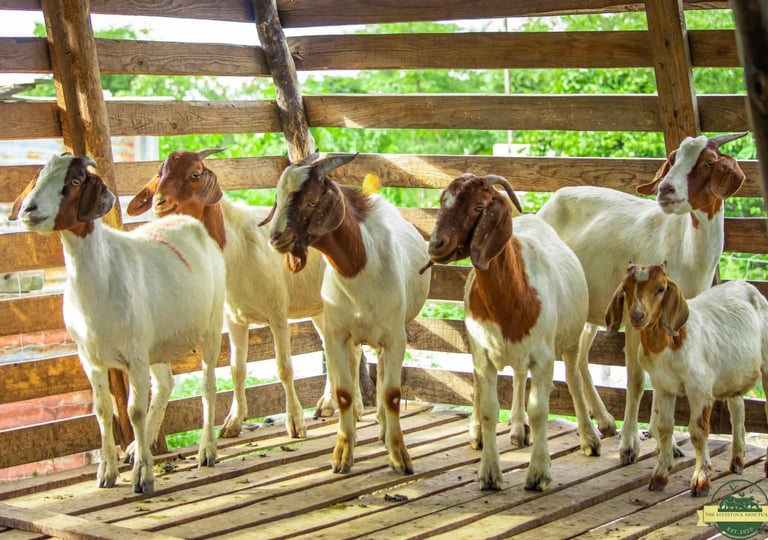
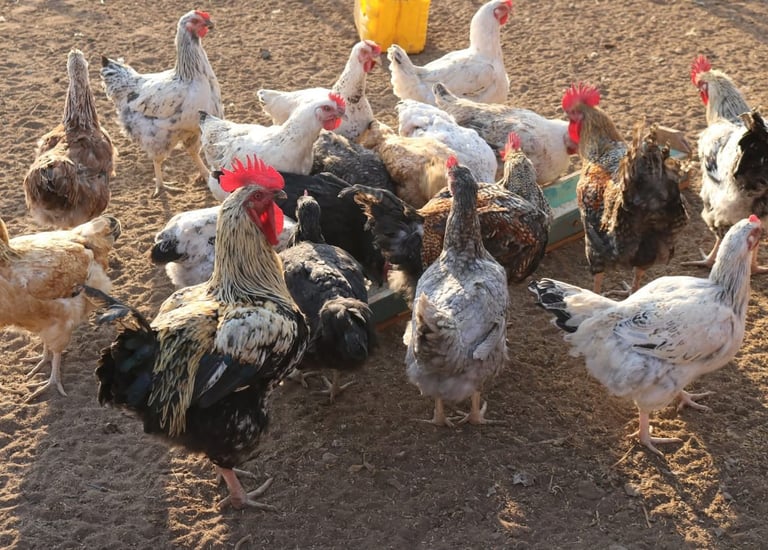
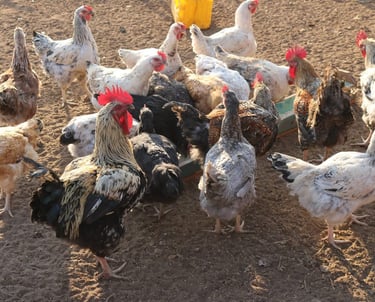
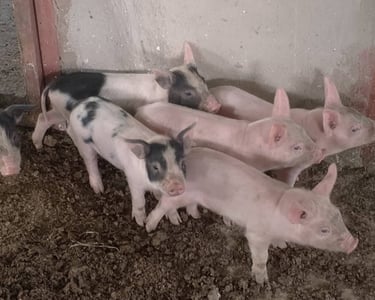
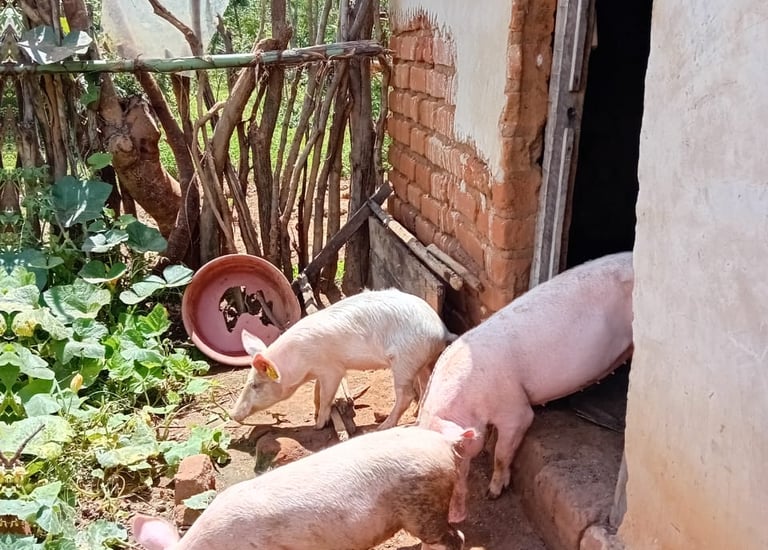
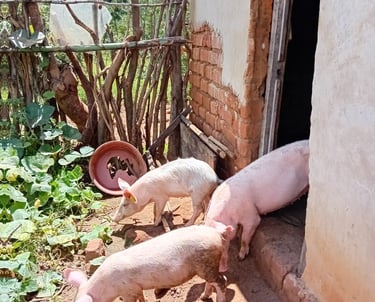
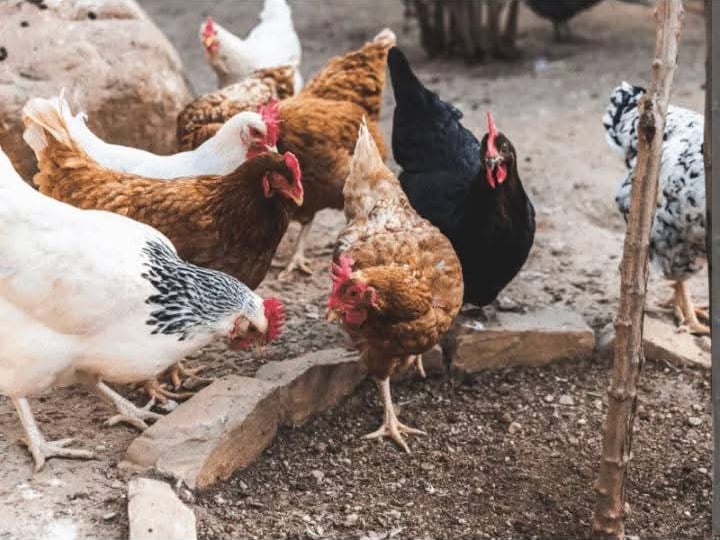
Livestock Production is a cornerstone of Zambia's agricultural economy, accounting for about 42% of the agricultural GDP (MLF-LSR,2023). Livestock Production remains a key pillar of rural livelihoods, food security and economic stability in the region. However, the sector is dominated by smallholder farmers who own over 90% of the National herd. The primary Livestock include cattle, goats, sheep, pigs and poultry, providing food and income security particularly in rural areas like of Eastern Province of Zambia.
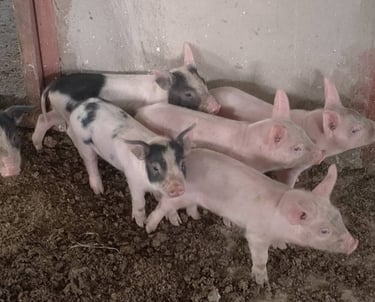
It is found that goats & sheep are the most populous Livestock group, widely farmed for meat and resilient to climate (MFL LSR, 2023). Pigs primarily raised by smallholders, laying a crucial role in income diversification. Poultry: Local chickens popularly known as Village Chickens and commercial broiler & layer dominate protein supply in most of the communities. CAZ in congruence with its thematic pillar- Agrultural & Livestock Production recognizes that Livestock production plays a key role in the Zambian economy and plays a pivotal role in the livelihoods of many in the rural communities. It is a crucial source of food, income, draught power and possesses aesthetic value among others.
CAZ believes that Livestock Production has the potential to drive the agricultural- led growth and socio-economic transformation and end rural poverty which is also outlined in the Eighth National Development Plan (8NDP), Sustainable Development Goals and Vision 2030. CAZ in collaboration with the Ministry of Fisheries & Livestock recently embarked on smallholder emergent farmers training particularly in goats & poultry production & sustainable management (small ruminants) in rural communities amidst the adverse effects of climate change which are presently hard-hitting smallholder farmers in rural areas.
The trainings have been inclusive & integrated men, women and the youth-young people with business interest in Livestock Production so as to enhance food, nutrition and income security at community & household level. CAZ: Through initiatives & innovations, the organisation is ensuring that Livestock farming is not just productive, but also sustainable for future generations.
#Livestockproduction #Emergentfarmers #income&foodsecurity #8NDPvision2030SDGs #Endpovertytogether
CommunityAid Zambia: Natural Resource Management.
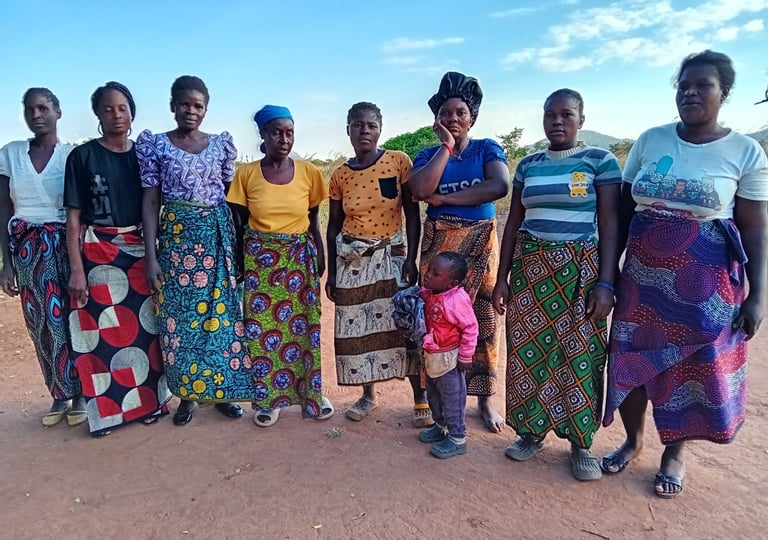
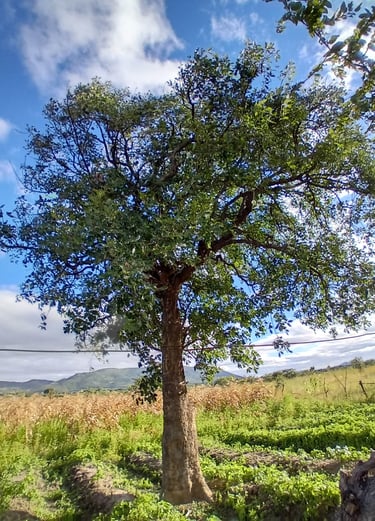
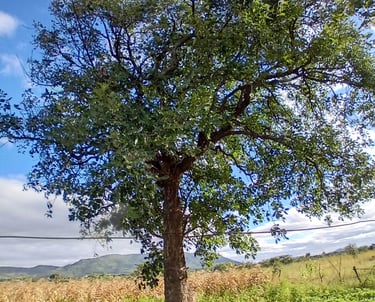
One of the core thematic pillars of CAZ is: Climate Change and Natural Resources Management which is in liaison with SDG 13 and the 8NDP and Vision 2030. Therefore, CAZ continues to create awareness & educate the rural communities of Eastern Region against the uncontrolled Natural Resource exploration & depletion by leveraging on existing community Self-Help Groups, indigenous Knowledge systems and community lived experience & initiatives to challenge and transform deeply rooted and harmful practices and beliefs.
CAZ believes that by integrating local communities, community knowledge and regenarative practices, we can restore the already exploited natural resources while protecting the environment for rural livelihoods, thereby ending rural poverty.
#Naturalresourcesmanagement #Climatechange #Communityinitiatives #Ruralpoverty #CAZlet'swork


CommunityAid Zambia: Organisation with Boots & Brains on Rural Development.
We are proud of defining our Organisational facets & linearments:
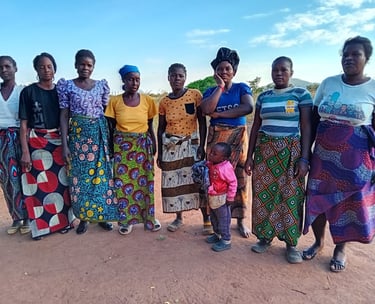
Our local focus, our thirst for Research, Development and Innovation and capacity to maintain what works well in rural areas; and our vibrant partnerships with local people & government partners & stakeholders throughout the rural development value chain- essential for fostering genuine & robust rural development sustainability. Our CAZ staff know local & rural people, cultural, political and economic context. They have connections & professional relationships, positioning them to do the most high rural development impact in rural areas.
CAZ is cognisant of the fact that the development issues facing the world are systemic and cannot be solved by one development actor or intervention alone. This is why CAZ still calls on more partners in the corporate, private and public sector to join us to amplify rural development impact in congruence with its key strategic pillars. The support from impact investors and private donors, as well as small, medium and large organisations are significant to enable CAZ achieve meaningful impact extensively in rural communities to end poverty together.
#RuralDevelopment #Developmentsustainability #CAZRDI
Contact Us
© 2026. All rights reserved.
Follow Us on Social Media
Registered NGO
Certificate No. RNGO 101/0880/18
info@cazambia.org
Phone
+260 967860060
Plot No. 5103, Pineview Road Moth Residential Area, Chipata, Zambia.
OUR LOCATION
POSTAL ADDRESS
PO Box 510368, Chipata, Zambia
+260 962860000
+260 977860060